
Bwindi Impenetrable National Park – Uganda's Mountain Gorilla Paradise

Gorilla Trekking, Wildlife, Attractions & Travel Guide

About Bwindi Impenetrable National Park

Bwindi Impenetrable National Park is a majestic biological hotspot in southwestern Uganda. Renowned for harboring half of the world’s remaining mountain gorilla population, this ancient rainforest offers an immersive journey into one of the most diverse and resilient ecosystems on Earth.

[bwindi_read_more]Detailed history, UNESCO World Heritage Site status, tropical rainforest ecosystem, and geographical importance.[/bwindi_read_more]
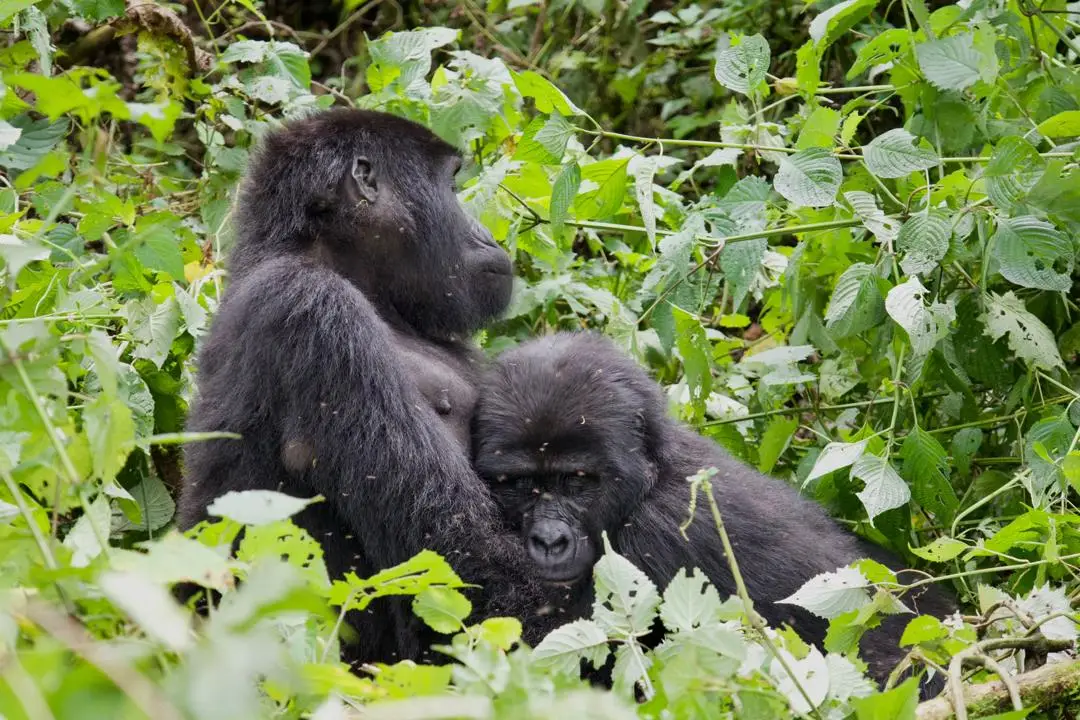
Photo by Rajasri Janakiraman on Unsplash
BWINDI UNFORGETTABLE EXPERIENCES

Immersive Forest Activities

Gorilla Trekking

[bwindi_read_more]More details about this activity…[/bwindi_read_more]

Bird Watching

[bwindi_read_more]More details about this activity…[/bwindi_read_more]

Nature Walks & Waterfalls

[bwindi_read_more]More details about this activity…[/bwindi_read_more]

PLAN YOUR ADVENTURE

Frequently Asked Questions

Prepare for your once-in-a-lifetime mountain gorilla experience in the heart of Bwindi’s ancient rainforest.

Where is Bwindi Impenetrable National Park located?

Bwindi Impenetrable National Park is located in southwestern Uganda, on the edge of the Albertine Rift Valley, bordering the Democratic Republic of the Congo. It is nestled amidst rugged, mist-covered hills, providing a dramatic landscape for trackers.
Bwindi Forest is world-famous because it harbors roughly half of the world’s remaining population of endangered mountain gorillas. It is also a ancient, exceptionally biodiverse UNESCO World Heritage site, home to hundreds of bird, butterfly, and tree species.
Gorilla trekking can take anywhere from 2 to 7 hours, depending on where the habituated gorilla families migrated the previous night. Once the guides locate your designated family, you are permitted exactly one hour to observe and photograph them.
The four gorilla trekking sectors of Bwindi are Buhoma in the north, Ruhija in the east, Rushaga in the south, and Nkuringo in the southwest. Each sector has its own habituated gorilla families, scenic trails, and designated ranger offices.